
24/7 Emergency Line Open
Water Damage Restoration in Centennial: Water Removal and Drying
Water in the house is a race. Standing water spreads into carpet, drywall and framing within hours, and wet materials left alone can grow mold in a day or two. The work that stops the damage is removal and drying: getting the water out, then pulling the moisture out of what remains. The water damage line is (720) 715-9391, and the dispatcher can also connect you to a plumber to stop the source.
- Licensed and insured plumbers
- Same-day service when available
- 24/7 emergency dispatch
Water extraction and removal: getting the water out first
Removal comes before everything else. Standing water is pulled out with pumps and extraction wands, and wet carpet and pad are lifted so air and equipment can reach the floor underneath. The faster this is done, the less moisture soaks into drywall, baseboards and framing.
A plumber is often needed first or at the same time. Water that keeps coming cannot be dried, so the source has to be found and stopped. The leak detection page describes how a plumber tracks down a source that is not obvious.
- Stop the water at the source and, if safe, at the main shutoff.
- Turn off power to wet areas from a dry location.
- Remove standing water and lift wet carpet or pad.
- Photograph the damage and list wet items before moving them.
- Start drying equipment as soon as the water is out.
Flooded basement, crawl space and whole-house flooding
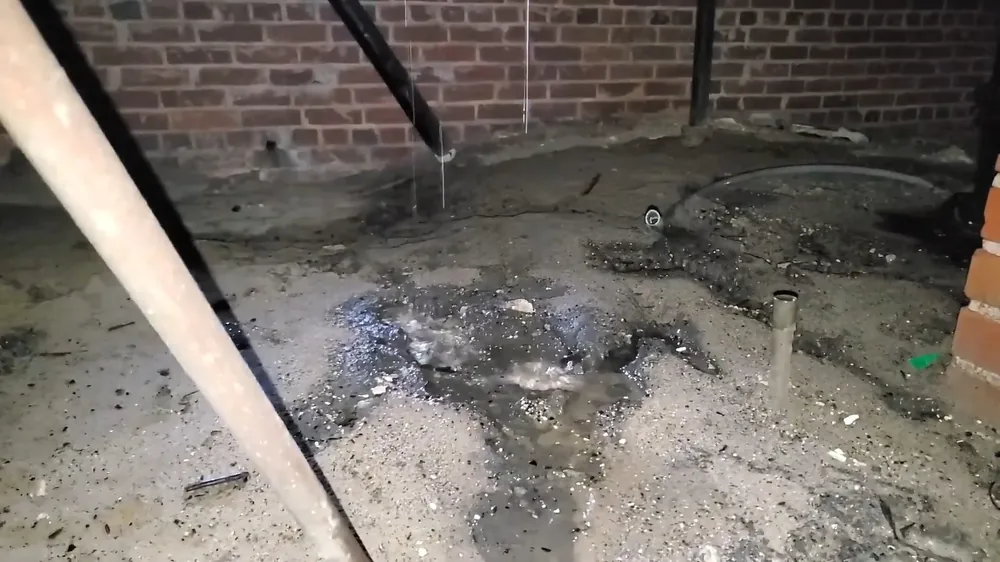
A basement or crawl space takes water from above, from a failed pipe or heater, and from below, from the ground after heavy rain or snowmelt. CBS Colorado has reported saturated ground flooding basements along the Front Range, in one case with a broken pump behind the flood.
Basements dry slowly. Cool concrete, sealed rooms and wet carpet all hold moisture, so the crew uses air movers and dehumidifiers and checks readings until the structure is dry. Storm, river and rain flooding brings groundwater in from outside, and whole-house flooding after a major pipe break or a water heater failure follows the same steps across more rooms.
Water on the floor right now? Get immediate water damage assistance
Shut off the water source if you can, and call (720) 715-9391. Describe where the water is and what it came from.
Sewage backup cleanup
A sewage backup is more than wet. The water carries bacteria and has to be handled with protective gear, and porous materials it touches are normally discarded. The first call is a plumber, because the blockage has to be cleared before cleanup begins. The sewer line repair page covers the plumbing side, and the drain cleaning page covers backups from a single fixture drain.
Keep children, pets and anyone with a weak immune system away from sewage. Wear gloves and boots if you must enter, do not eat or drink in the area, and wash well afterward. Do not run water that drains to the backed-up line.
Burst pipe and plumbing leak damage
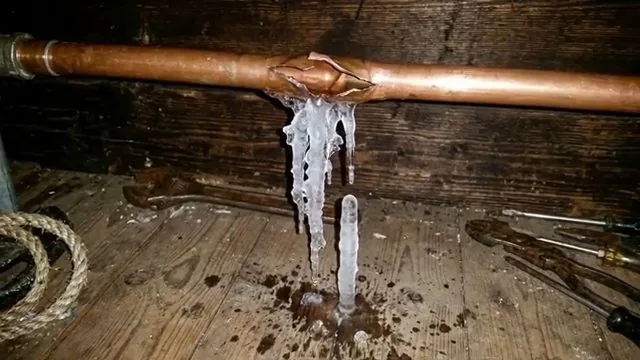
Water from a burst or frozen pipe is usually clean at first, which makes quick removal and drying effective. Water from a failed water heater or a supply line in a wall can spread unseen. The repair side is on the burst and frozen pipe repair page, the water heater repair page and the water line repair page.
A leak under a slab can saturate the soil and the floor above it. That case begins with finding the leak, described on the slab leak page, and the drying follows the repair.
Not sure how far the water has spread? Ask for a moisture check
Describe what was wet and for how long, and the dispatcher explains what a moisture check involves.
Damage assessment and moisture mapping
A surface that feels dry may hold moisture inside. A moisture meter reads the water content of drywall, wood and concrete, and a thermal camera can show wet areas behind a wall. The crew maps where the moisture is and returns to read it again until it is back to normal.
That record serves you twice: it shows when the structure is dry, and it supports an insurance claim with numbers rather than guesses. Ask to see the readings before the equipment leaves.
| Source | How it is handled | Usual first step |
|---|---|---|
| Supply line, burst or frozen pipe | Clean water, fastest to dry | Stop the leak, then extract and dry |
| Dishwasher, washer or sink overflow | Slightly used water, treat promptly | Stop the flow, extract, dry |
| Sewer or drain backup | Contaminated, porous materials discarded | Clear the line, then remove and clean |
| Rain, snowmelt or groundwater | Often dirty and slow to dry | Remove water, protect air quality, dry |
What happens on a water damage job
A typical job moves in a fixed order. The source is stopped. Standing water is removed. Wet materials that cannot be saved are taken out. Equipment is set to dry the rest. Readings are taken until the building reaches a dry standard. The scope is removal and drying, and the next step, rebuilding walls and floors, is a separate contractor. Smoke and soot work belongs to another trade.
Drying takes days, not hours. Air movers push moving air across wet surfaces, dehumidifiers pull the moisture out of the air, and the crew checks progress each day. Equipment that stays too long is a nuisance, and equipment that leaves too early is how mold starts.
Mold after water damage: testing, inspection and what follows
Mold needs moisture and time. The CDC says to treat a home as having mold growth if you could not dry it within 24 to 48 hours. Fast drying is the best prevention, and it is why removal starts before anything else.
If you see or smell mold after a water event, or the building stayed wet for days, ask for an inspection and testing before anything is covered up. Testing shows whether mold is present and where. Mold remediation and removal begin with the moisture: wet, moldy materials come out and the rest is dried, and long-standing growth in a building is specialist work. Understanding mold remediation helps you ask the right questions. Benefits of mold remediation done early are real, since the process overview is short when growth is small and long when it is not. Ask who will do the work, what standard they follow and how they will show it is finished.
Drying equipment, flooring and carpet
Air movers and dehumidifiers do the real work of drying. Air movers push air across surfaces, and dehumidifiers pull the water out of that air so the surface can keep releasing moisture. Hardwood, laminate and carpet each respond differently, and some floors can be dried in place while others cannot.
Carpet can sometimes be saved if the water was clean and the response fast. Pad is usually replaced. Hardwood may cup or crown if it stays wet, and a crew can use mats and drying panels to pull moisture from it. A drying crew should tell you honestly what can be saved.
Leaks from roofs, ceilings and appliances, and basement groundwater
Leaks from non-plumbing sources are common. Not every wet house starts with a pipe. A roof leak, a failed ceiling seam, an air conditioner drain or a washing machine hose can put water into walls and floors. Drying follows the same steps, and the source needs fixing by the right trade, whether that is a plumber or a roofer.
Groundwater that comes in through a basement wall or floor is a drainage and foundation problem, and waterproofing is a different trade. A drying crew can remove the water and dry the space, but unless the cause is fixed the water returns. The homepage lists the main dispatch line if the problem is plumbing.
Insurance claims, loss documentation and commercial properties
An insurance claim goes better when the loss is documented. Photograph everything before it is moved, list damaged items, record the date and cause, and keep the plumber's invoice for the repair. A drying crew can give moisture readings and a daily log of work done.
Apartments, condos and commercial buildings add questions about who owns what, and a property manager or association may need to be called first. The commercial plumbing page covers the plumbing side for businesses.
Water damage questions, answered
How fast do I need to start drying after a water event?
As soon as the source is stopped. The CDC advises drying a flooded home and its contents within 24 to 48 hours if you can, and says to assume mold growth if you could not. The practical answer is the same day: shut off the water, remove standing water and call, because wet drywall and carpet pad do not dry on their own.
A pipe burst and flooded part of my house. What do I do first?
Close the main shutoff, turn off power to wet areas if you can do it from a dry spot, and move belongings out of the water. Photograph the damage before you move much. Call the water damage line to arrange removal and drying, and a plumber to repair the pipe, since drying cannot hold until the leak is fixed.
Is a flooded basement different from other water damage?
It is often slower to dry because basements are cooler, have less airflow and may hold finished walls and carpet. Groundwater and sewer water change the cleanup, and either means treating materials more carefully. A plumber first has to find out where the water came from.
What if the water is sewage?
Treat it as contaminated. Keep children, pets and people with weak immune systems out, and do not run fixtures that drain to the blocked line. The line has to be cleared by a plumber first, then wet materials removed and the area cleaned and dried. Porous materials soaked by sewage are usually discarded.
Will my insurance pay, and what should I document?
Coverage depends on your policy and on how the water got in, and a plumber or drying crew cannot decide that for you. What helps any claim is documentation: photos and video of the damage before and after, a list of what was wet, the date and time, the cause, and any readings the crew takes. Keep receipts and the paperwork from the plumber who fixed the source.
Water damage in Centennial? Call the water damage line
The line is answered 24/7 at (720) 715-9391. Tell the dispatcher what was wet, what caused it and how long ago, and a plumber or drying crew serving your area is arranged where available.
- Licensed and insured plumbers
- Same-day service when available
- 24/7 emergency dispatch