
24/7 Emergency Line Open
Clogged Drains in Centennial, CO: Cleaning, Jetting and Repair
Heavy rain and snowmelt along the Front Range have put water in basements before, and CBS Colorado has tied some of that flooding to saturated ground and a failed sump pump. A drain that backs up during the same weather is a different problem with a similar mess. Whether one sink is slow or a floor drain is gurgling, the work starts by working out how far the clog reaches.
- Licensed and insured plumbers
- Same-day service when available
- 24/7 emergency dispatch
Is it one clog or the whole line? Slow, gurgling and backed-up drains
One slow sink usually has a local clog in its own trap or branch. When several fixtures gurgle, drain slowly or back up together, the problem has moved down to a shared line. A toilet that bubbles when the washer drains, or a floor drain that smells after a shower, is the common pattern. The fixtures that react are a map of where the obstruction sits, and a floor drain that backs up with the washer is a hint to read about sewer service line backups.
| What you notice | Most likely location | First step |
|---|---|---|
| One sink or tub drains slowly | Trap or branch line at that fixture | Clear the stopper and trap, then try a cable |
| Two or more fixtures slow or gurgling | Shared branch or the main line | Stop using water and call for a cable or a camera look |
| Toilet clogged, others fine | Toilet trap or its short drain | Plunge once, then call if it returns |
| Floor drain backs up or smells | Main line or floor drain trap | Stop water use and call |
Chemical drain cleaners can burn skin and eyes, damage pipe and put a hazard in the water a plumber must then work around. If you have used one, say so on the call.
Hydro jetting: when a cable only opens a hole in the clog
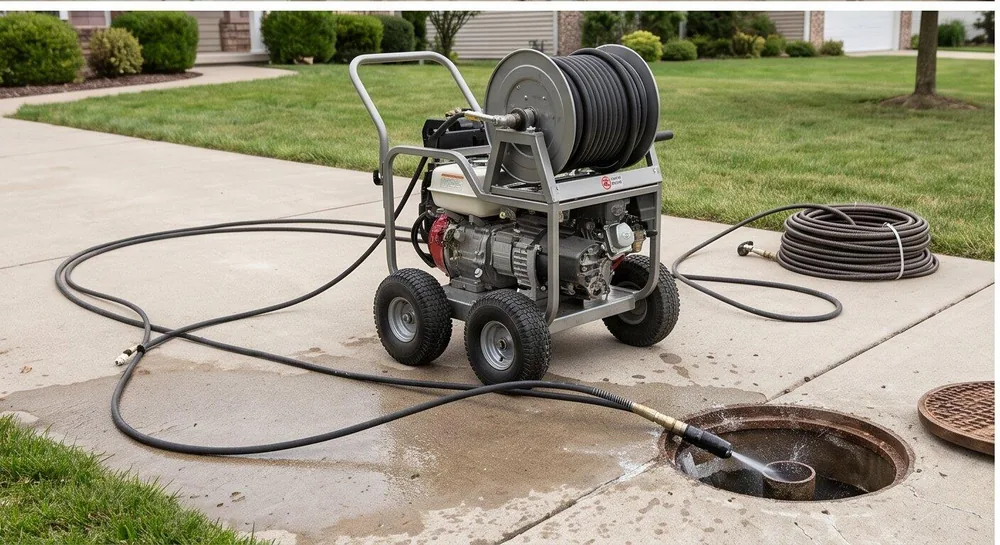
Slow drains that clear and then return within weeks often have buildup coating the pipe wall, such as grease in a kitchen line or scale and soap film in a bath line. A cable can punch a hole through the middle of it and leave the rest. Hydro jetting sends high-pressure water through a hose, scrubbing the wall back toward bare pipe.
Jetting is not for every pipe. A line that is cracked, offset or collapsed can be damaged by pressure, which is why a camera look often comes first. Hydrojet services are used mostly on main and branch lines with a cleanout, where the hose can enter and the water can run out.
Drain pipe repair: cast iron, offsets and old branch lines
Some drains do not clog so much as wear out. Older cast iron drain pipe rusts from the inside, narrowing the pipe until it catches debris, and a joint that has shifted can leave a lip that snags paper. A drain cleaned three times in a year is a sign to look at the pipe instead of the clog.
Drain repair means finding the section that has failed, cutting it out and replacing it with a pipe that matches the rest of the run. A camera is the usual way to see the damage. If the pipe is broken between the house and the district main, the repair belongs on the sewer line repair page, where the question of who owns which part of the line is covered.
Drain backing up right now? Call and describe it
Say which fixtures are affected and whether the water is clear or foul. A plumber serving your area is sent where one is available.
Sump pump and ejector pump trouble when water comes up, not down
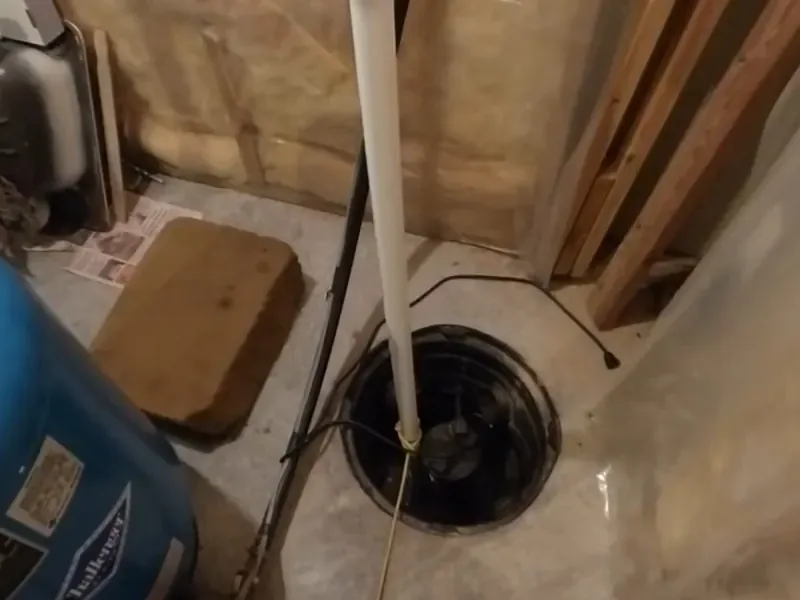
A sump pump moves groundwater out of a pit before it reaches a basement floor, and an ejector pump lifts wastewater from a below-grade bathroom to the sewer line. Both fail in the same weather that tests them. Signs of trouble are a pump that never starts, one that runs without stopping, a pit with standing water above the float, or a gurgling noise after a flush.
CBS Colorado has reported saturated ground flooding Front Range basements after heavy rain and snow, and in at least one home a broken sump pump was behind the water. If your house has a pit, test the pump before the wet season by pouring water into it and checking that it starts and empties. Sewage from an ejector pit is a health hazard, so keep out of standing wastewater and call.
Source for the weather link
CBS Colorado coverage of flooded basements in Highlands Ranch and along the Front Range after heavy precipitation.
Source: cbsnews.com/colorado, flooded basement reports. Accessed 9 November 2026.
Snaking, rooter and auger work: what to expect on a visit
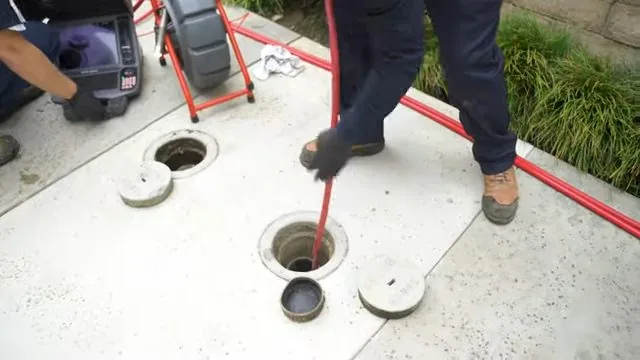
A plumber arrives with a cable machine sized to the pipe. Sink and tub lines get a smaller cable, a main line gets a larger one, and the cutter head is chosen for what is in the way. Roots from a nearby tree are one cause in older lines, and a plumber will usually clear the blockage first and then scope the line to see whether roots or damage caused it.
- Tell the plumber which fixtures are affected, and in what order they started.
- The plumber locates the nearest cleanout and checks the trap.
- A cable is run until the clog gives way and flow is tested.
- A camera look is offered if the clog returns or the cable finds a bend or break.
- You get a note on what was found and what to watch.
A floor drain in a basement or garage follows the same method. Camera inspection after cleaning is worth asking about when the line is old, since it separates a one-time clog from a pipe problem that will recur. Drain odors that stay after a cleaning often point to a dry trap, a vent problem or buildup farther down the line.
Slow drains that keep returning? Ask what is behind them
A cleaning that lasts a few weeks usually has a reason. A plumber can look at the line and tell you what to expect.
Everyday drain cleaning, from kitchen sinks to restaurant lines
Routine drain cleaning covers kitchen sinks, bath sinks, tubs, showers and laundry standpipes. Kitchen drains clog from grease and food, bath drains from hair and soap, and laundry drains from lint. A plumber can clear each and tell you what is likely to be the cause.
Commercial kitchens are a different scale. Southgate's specifications call for a gravity grease interceptor at restaurants and other food facilities, owned and maintained by the property owner, so a clogged line there often begins with the interceptor. For that kind of work see commercial plumbing for offices, restaurants and retail.
Irrigation, sprinkler and yard drainage systems are a separate trade, and a plumber does not clear them. A backup after a storm, with water pooling around the house instead of inside it, is a yard drainage question.
Drain and clog questions, answered
Can a plumber fix a French drain or yard drainage problem?
No: yard drainage, French drains and storm drainage are a separate trade from household plumbing, so they are not handled on this site. The reason is that those systems carry surface water and groundwater outside the house and are not connected to the drain lines inside it. If water is entering the house itself, a plumber can tell you whether a pipe is involved.
What should I check when a kitchen sink leaks underneath and drains slowly?
Start with where the water shows up. In older Front Range homes the trap and tailpiece under the sink are often the first parts to loosen or corrode. Put a bowl under the trap, run water and watch the joints. A leak at a joint is usually a tighten or replace job, while a slow drain with a dry cabinet points to a clog further along. If you cannot tell which, a plumber can test both in one visit.
What steps help with a clogged bathtub drain before I call?
1. Remove the stopper or strainer and pull out any hair. 2. Run hot tap water for a minute to see whether it moves. 3. Try a plunger with the overflow covered. 4. If water still pools, stop and call. One caution: do not pour chemical drain cleaners into a tub that holds standing water, because they can splash, burn skin and damage the pipe.
I am replacing a ceramic sink with a stainless one. Does the drain need work?
Usually the strainer and tailpiece change with the sink, and the trap should be checked while it is open. Say the old drain has been slow for a while: a new sink on an old, partly clogged line will still drain slowly. A plumber can clear the line while the sink is out and match the fittings to the new basin. The fixture side of the job is covered on the fixture repair page.
Can I get same-day drain service, and what can wait?
What cannot wait: sewage or wastewater rising from a floor drain or toilet, or a backup that is damaging floors. Hold off on running any water and call. What can wait: one slow sink with no smell or leak, which a plumber can schedule. The dispatcher decides which category your call falls into and what is available for your address.
What is the difference between hydro jetting and snaking?
A snake, also called an auger or rooter cable, bores through a clog and restores flow. Hydro jetting uses high-pressure water to scour the pipe wall, which clears grease and scale a cable can leave behind. Slow drains that keep returning after snaking are a sign the pipe wall needs jetting or a camera look. A plumber will usually recommend the lighter option first.
Backed-up drain in Centennial? Call the dispatch line
The line is answered 24/7. Say what is backing up and what you have stopped using, and the dispatcher confirms what a plumber serving your area can do for your address.
- Licensed and insured plumbers
- Same-day service when available
- 24/7 emergency dispatch